
Burnout Recovery & Stress Support
Create more space for rest, restoration, and a more sustainable way of living after prolonged stress or depletion.
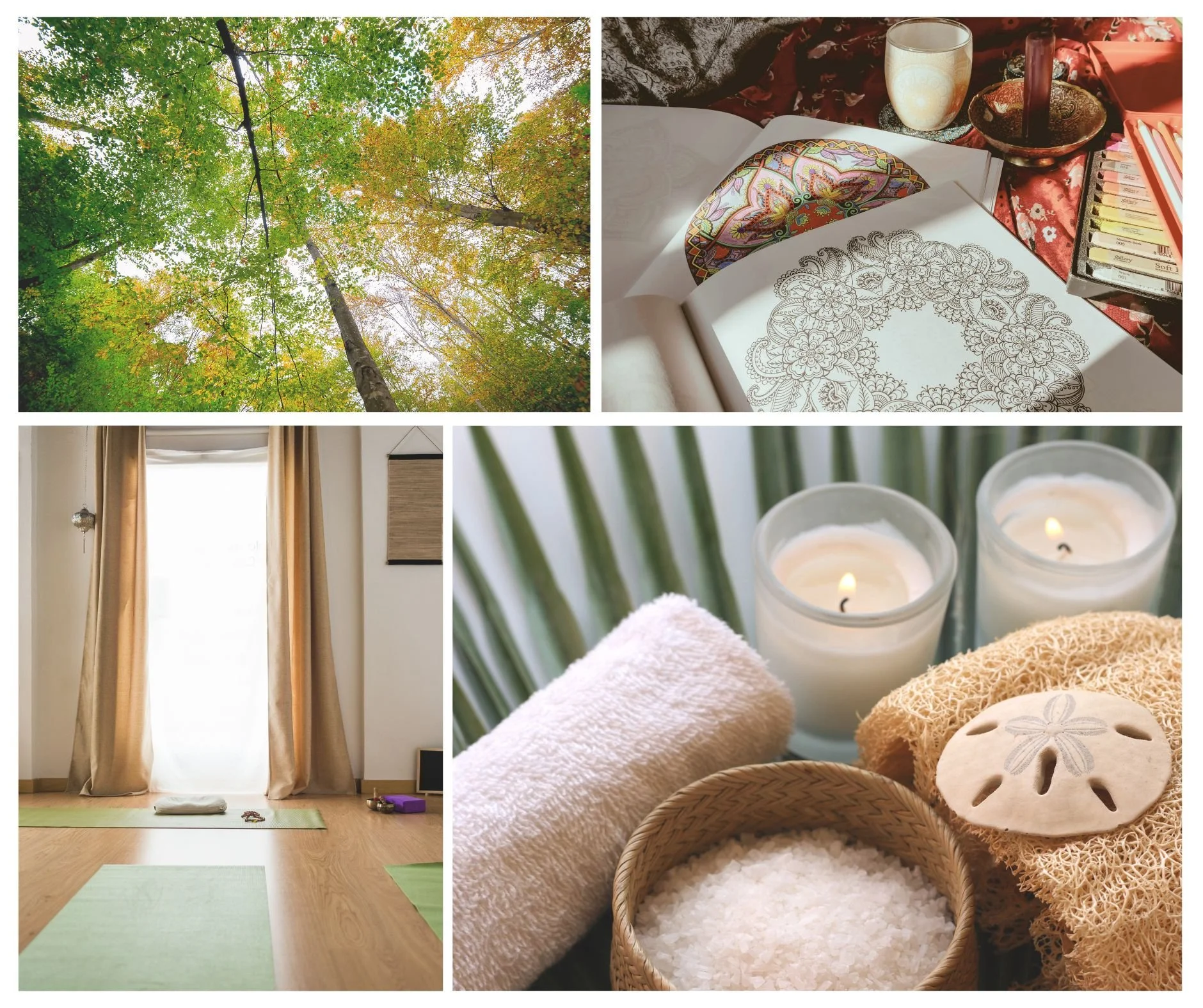
Burnout can affect far more than your energy.
It can change the way you sleep, think, respond to stress, connect with others, make decisions, and move through everyday life. You may feel physically exhausted but unable to fully rest, emotionally depleted but still carrying responsibility, or so accustomed to pushing through that you are no longer sure what genuine restoration feels like.
This coaching creates space to step out of constant overextension, slow things down, and begin paying attention to what your body, mind, and daily life may be asking for.
Rather than treating burnout as a failure of discipline or resilience, we look at the patterns, demands, habits, environments, and expectations that may be taking more from you than you have had space to restore.
Together, we create more room for rest, recovery, steadiness, and a way of living that feels more sustainable.
What We May Focus On
Recognizing your stress patterns and becoming more aware of the physical, emotional, and behavioral signs that you are moving beyond your capacity.
Finding ways to feel calmer and more grounded through breath, gentle movement, sensory awareness, reflection, grounding practices, and other restorative approaches.
Creating more realistic rhythms of rest and recovery so restoration becomes part of your life rather than something you wait for until you are completely depleted.
Reducing overstimulation and unnecessary demands in your environment, schedule, technology use, and everyday routines.
Strengthening boundaries around time, work, relationships, and responsibility so your energy is not continually being spent beyond what is sustainable.
Reconnecting with your physical and emotional needs after long periods of functioning through responsibility, urgency, or simply getting through what needs to be done.
Reconnecting with practices that restore you including sleep, movement, time outdoors, creativity, nourishment, quiet, connection, or meaningful spiritual practices.
Understanding patterns of over-functioning or over-responsibility that may make it difficult to slow down, ask for help, or honor your own limits.
Creating supportive transitions throughout the day so the stress of one part of life does not continually carry into the next.
Rebuilding trust in your own capacity and limits rather than measuring your well-being by how much you can continue producing.
Developing sustainable ways of responding to stress that support your well-being even after you begin feeling better.
Creating a more restorative way of living that gives you greater opportunity to recover, reconnect with yourself, and remain supported over time.
Understanding Burnout and Recovery
Burnout often develops gradually.
Long periods of responsibility, emotional strain, overwork, caregiving, uncertainty, chronic stress, or too little time for genuine recovery can leave you feeling as though there is always something else to manage.
Even when the immediate pressure eases, it may take time to feel settled, rested, and fully present again.
Recovery is not about trying to remain calm all the time or learning to control every stress response. It is about becoming more aware of what is draining you, what helps you feel restored, and what conditions make it easier to recover.
Part of that process may involve reconnecting with your body and noticing signals such as tension, fatigue, restlessness, shutdown, or the feeling that you are always “on.”
Depending on what feels supportive for you, we may use grounding, breath, gentle movement, sensory practices, reflection, body awareness, or other simple ways of helping you slow down and reconnect with yourself.
The goal is not to manage yourself perfectly.
It is to understand your needs more clearly and create conditions that make rest, recovery, and steadiness easier to access and sustain.
Who This Coaching Is For
This work may be a good fit if you:
Feel physically or emotionally exhausted even when you are trying to rest.
Have been carrying significant responsibility or stress for a long period of time.
Feel constantly “on,” overstimulated, tense, restless, or unable to fully settle.
Notice that your patience, focus, motivation, or emotional capacity has changed as stress has accumulated.
Have difficulty recognizing your limits until you have already pushed well beyond them.
Find yourself resting but not feeling restored.
Want to understand what may be contributing to chronic stress or depletion in your everyday life.
Struggle to create boundaries around work, caregiving, relationships, or other responsibilities.
Want practical ways to reduce overstimulation and create more restorative daily rhythms.
Would like to explore grounding, reflection, movement, body awareness, or other restorative practices as part of your recovery.
Are beginning to feel better after a difficult season and want to create habits that help protect your well-being going forward.
Want support creating a way of living that feels more sustainable rather than continually cycling between pushing and recovering.
You do not have to wait until you are completely depleted to begin.
This work can also help when you recognize that your current pace or level of stress is becoming difficult to sustain and want to respond before exhaustion becomes more deeply entrenched.
How This Coaching Works
Recovery from prolonged stress is rarely linear.
Coaching begins with an initial three-month commitment so we have enough time to understand what has been taking so much out of you, explore what may need to change, experiment with restorative practices, and notice what genuinely helps you feel steadier over time.
After that, coaching continues month-to-month for as long as the work remains useful and meaningful to you.
Depending on the level of support you choose, our work may include private coaching sessions, personalized restorative practices, between-session accountability, reflection tools, supportive routines, and practical changes to your schedule, boundaries, environment, or daily rhythms.
Some weeks may focus on reducing demands.
Others may focus on rebuilding energy, strengthening boundaries, or simply creating more space to rest, reflect, and recover.
We do not measure progress by how quickly you return to doing more.
The goal is to help you recognize your needs earlier, respond to stress with greater care, protect your capacity, and create a way of living that supports restoration and long-term well-being.
Create a More Restorative Way of Living
Recovery is not about becoming productive enough to return to the same pace that depleted you.
It is about learning to recognize what you need, responding to stress before it becomes overwhelming, and creating rhythms that allow restoration to become part of everyday life.
Sometimes that begins with one boundary, one quieter transition, one restorative practice, or one decision to stop pushing past your capacity.
Those changes can become the foundation for greater steadiness, energy, resilience, and a way of living that feels more sustainable over time.
Ready to Begin Recovering From Burnout?
If you are experiencing chronic stress, exhaustion, overwhelm, or difficulty feeling fully restored, I would be glad to explore how Burnout Recovery & Stress Support could help you create more space for rest, recovery, steadiness, and sustainable well-being.
Book a complimentary discovery call to talk about what you are experiencing and whether Burnout Recovery & Stress Support feels like the right fit.