
About Sarah
Certified Life Coach | Certified Spiritual Director | Certified Yoga Teacher
Bringing together coaching, spiritual direction, theological reflection, mindfulness, and whole-person wellness.
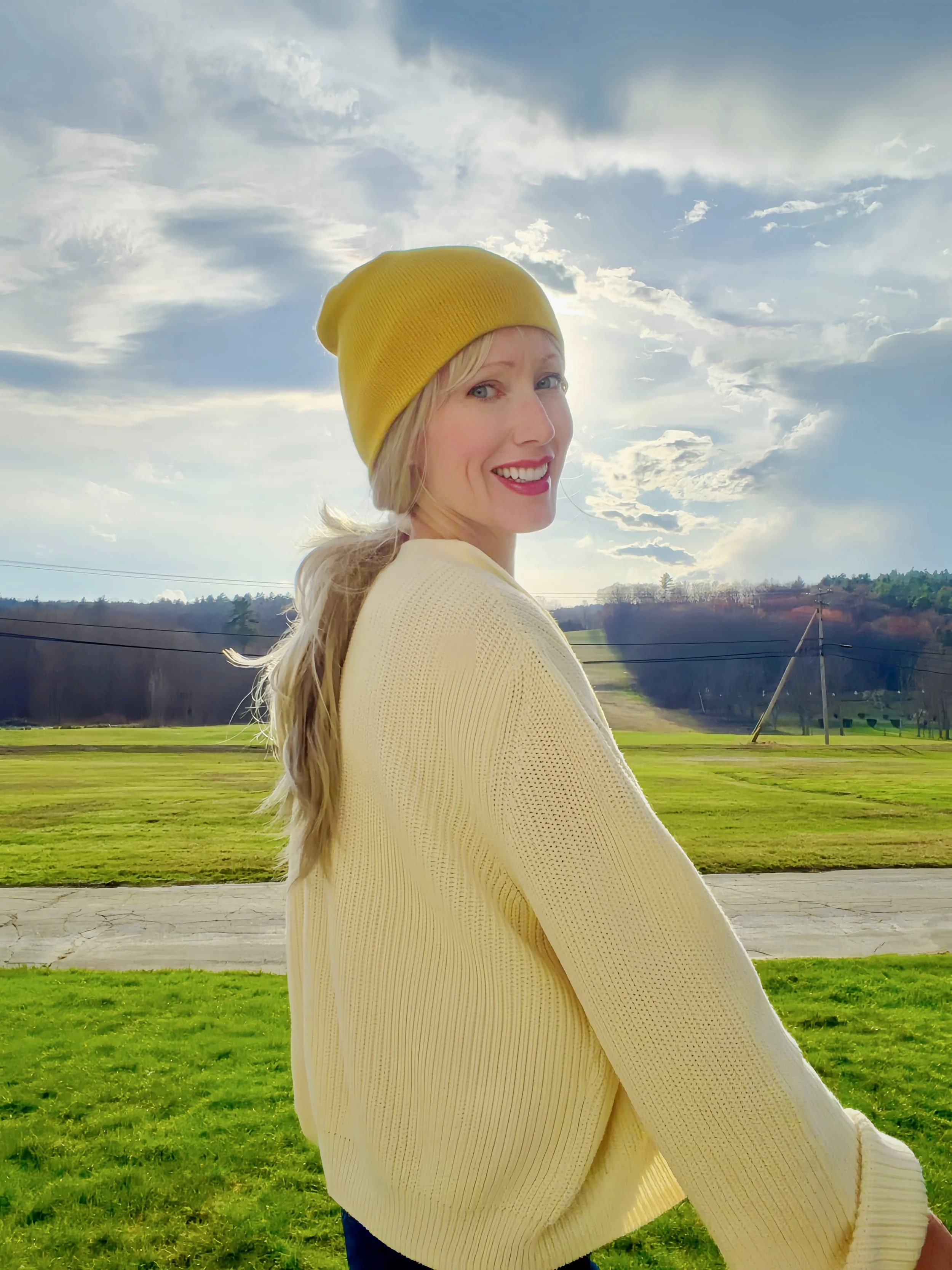
My work is rooted in a simple belief: meaningful change is easier when people have space to be fully seen, think honestly about what they need, and create support that fits the reality of their lives.
Over the years, my education and training have brought together several areas that now shape the way I work—life coaching, spiritual direction, theology, mindfulness, yoga, and intentional living.
These are not separate pieces of my background. Together, they influence how I listen, how I ask questions, how I help people reflect, and how I support change across everyday life, wellness, relationships, and spirituality.
My Background and Training
Iliff School of Theology, Master of Divinity
I earned my Master of Divinity from Iliff School of Theology, a graduate theological school rooted in the United Methodist tradition and known for its emphasis on theology, ethics, justice, and thoughtful engagement with the complexities of faith and contemporary life.
My theological education gave me a strong foundation in spiritual care, reflection, discernment, religious traditions, and the many ways people make meaning through faith, doubt, change, and lived experience.
It also deepened skills that remain central to my work today: listening carefully, asking thoughtful questions, making room for complexity, and creating space where people can explore what they believe without being rushed toward easy answers.
That background is especially important in my work with spiritual direction, faith deconstruction, religious trauma, discernment, and questions surrounding God, meaning, identity, and spiritual life.
Benet Hill Monastery, Certified Spiritual Director
Following seminary, I completed spiritual direction training through Benet Hill Monastery.
That experience deepened my understanding of contemplative practice, discernment, prayer, spiritual listening, and the many ways people experience connection with God, the Divine, a higher power, or the sacred.
Spiritual direction is not about telling someone what to believe or directing them toward a particular spiritual outcome. It is about creating space to listen more deeply, notice what is unfolding within the spiritual life, and explore questions of faith, meaning, longing, doubt, grief, and connection with honesty and care.
This training continues to shape the way I accompany people who want to deepen their spiritual lives, reconnect after a period of distance, question inherited beliefs, or heal from religious experiences that caused harm.
Coaching Training
I completed my professional coach training through Coach U, an ICF-accredited coach training organization.
My training included active listening, powerful questioning, goal-setting, accountability, behavior change, and helping clients turn insight into practical action.
Coaching gives me a different set of tools from spiritual direction. Where spiritual direction often creates space for listening, discernment, and reflection, coaching can help turn what you discover into concrete changes in everyday life.
That combination allows our work to be both reflective and practical—making room for deeper questions while also helping you create realistic changes in the areas where you want support.
Mindful Living and Whole-Person Wellness
Mindful living has become an important part of both my personal life and my work.
I am deeply interested in the way our surroundings, schedules, habits, relationships, spiritual lives, and everyday choices influence how we experience our lives.
For me, mindful living is not about creating a perfect routine or escaping responsibility. It is about paying attention to the way we are living and making intentional choices that create more room for presence, well-being, connection, and what matters most.
That philosophy is also reflected in my approach to whole-person wellness. I believe caring for ourselves involves much more than one health habit or one part of life. Physical, emotional, mental, relational, spiritual, and practical well-being are often connected.
Small changes in one area can sometimes create meaningful movement somewhere else.
Yoga, Mindfulness, and Embodied Practice
I am also a 200-hour certified yoga teacher and continue to deepen my training through additional study.
Yoga, mindfulness, breath, movement, and contemplative practices have helped me understand the importance of experiencing well-being through the body as well as through thought and reflection.
I do not believe everyone needs to practice yoga or meditation, but I value having a broad range of practices available so people can discover what helps them feel more present, grounded, and connected to themselves.
Why I Created Rocky Trails and Rainbows
I have always loved spending time in nature, and trails have become a meaningful metaphor for the way I understand life.
Some parts of the path are beautiful and easy to follow. Others are rocky, uncertain, or different from what we expected.
Sometimes we keep going. Sometimes we stop and reconsider. Sometimes we choose another path entirely.
Rocky Trails & Rainbows grew from the belief that we do not have to move through those seasons alone.
My hope is to offer a place where people can slow down, understand what is happening, explore what matters most, and create meaningful change in ways that feel compassionate, realistic, and deeply their own.
That philosophy eventually became The Rocky Trails to Restoration Method™, which brings together four areas of support:
Simplify — creating a calmer, more intentional way of living.
Restore — strengthening whole-person wellness through complete self-care and supportive accountability.
Rebuild — developing healthier relationships with yourself and others.
Align — exploring spiritual life through spiritual direction, soul care, faith questioning, and healing from religious harm.
You do not have to work on all four. The framework simply gives us a broader way to understand the connections between the different parts of life while keeping the focus on what matters most to you.
A Little More About Me
Outside of my work, I love spending time in nature, hiking, photography, oil painting, playing guitar, and songwriting.
I also enjoy British crime dramas, experimenting with plant-based recipes, and the quieter rhythms of everyday life.
Some of my favorite moments are simply being at home with my spouse and our cats.
Creating Space for Meaningful Change
I believe people are more able to grow when they feel listened to, respected, and free to explore what they genuinely need.
My role is not to hand you a predetermined version of what your life, relationships, wellness, or spirituality should look like.
It is to offer thoughtful support, ask meaningful questions, help you notice what may be influencing your experience, and work with you as you create a life that feels more intentional, supportive, connected, and authentically your own.