

6 Techniques to Calm Your Fight-or-Flight Response
You may already be familiar with the fight-or-flight response—a simplified term for how humans and many other animals respond to threat. However, you may be less familiar with how this natural response becomes less helpful when activated too regularly. Here you will learn how the fight-or-flight response works in the body and how to calm your fight-or-flight response.

4 Mindful Grounding Techniques to Relieve Stress
Sometimes, life throws you a curveball and you find yourself overwhelmed. Whenever you find yourself anxious or stressed, you can use grounding techniques to reconnect with yourself and the present moment. This science-based strategy may be helpful for anxiety, panic attacks, flashbacks, or even dissociation.
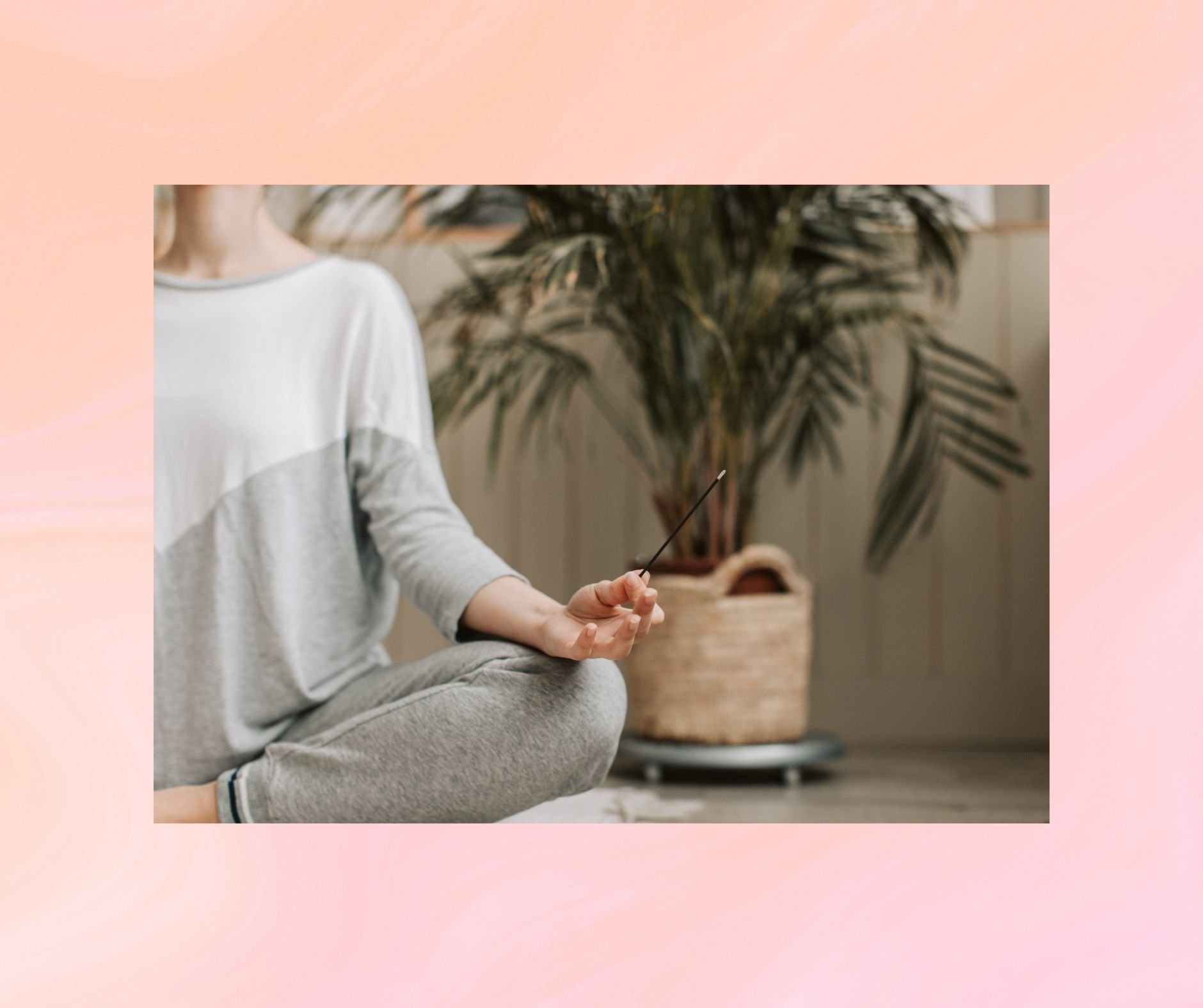
4 Simple Mindfulness Meditation Techniques to Reduce Stress and Feel More Present Every Day
Many of us have difficulty finding the time to take care of ourselves. Whether you’re looking to reduce stress at work, find a way to fall asleep faster, or are just interested in the practice, meditation can be the answer. We will explore some meditation techniques to incorporate into your life today so that you can resolve some of these common challenges.

Improve Your Sleep Quality Through Guided Meditation
Guided meditation for sleep is a specific type of meditation practice that can be used to help quiet your mind before you go to bed. This allows you to focus on what the guidance is saying rather than everything else running through your brain. There are many different styles of guided meditation for sleep. Trying out different practices can help you to discover what works best for you.

8 Tips to Relieve Stress
Stressing out over an extended period may undermine your well-being. For example, stressing about the deadlines for your work or school calendar, the pile of bills on your coffee table, or relationships can take a toll. Stressing out can drain your energy and leave you even more frustrated. Hence, recognizing when stress arises and taking action may help you manage it more effectively.

How to Connect Your Mind and Body
The human mind can solve almost any type of problem, but what happens when problem-solving runs wild in our minds? We’re so good at identifying problems and imagining scenarios that sometimes it’s hard to stop. And being in our heads too much can make it hard to move past difficulties.

How to Stop Ruminating
Rumination is often defined as a repetitive thought cycle focusing on causes, consequences, and symptoms of one’s current negative state. When you obsessively think about a negative situation and find that you cannot stop, it will likely make you feel worse. That is how rumination can transform a minor or trivial mistake into a major catastrophe.

How to Be an Empathic Listener
Have you ever had a conversation with a friend or coworker and everything you said to them seems to have gone through one ear and out the other? It’s frustrating, right? This article discusses the importance of empathic listening and provides tips on how to practice it in our daily lives.

Box Breathing Techniques and Benefits
The box breathing technique is simple, accessible, and effective in helping you to function better during stressful times, which for so many of us is most of the time. This article describes and defines what box breathing is, outlines techniques and best practices for box breathing, and reviews some of the many benefits of box breathing.

8 Ways to Slow Down and Stop Rushing
Sometimes we genuinely race against the clock, such as when we try to catch a flight. Yet many people rush daily as they try to accomplish every task on their to-do lists. But what exactly is rushing?

10 Ways to Achieve a Peaceful Mind
Oftentimes, we spend too much time thinking—thinking about what is to come in the future, what has happened in the past, or even what is going on right now. These are the times when we may crave a peaceful mind. There is actually a pretty good amount of research on how we can decrease our distressing thoughts and calm the body.

5 Tips to Prevent Mindlessness
Mindlessness is a state of unawareness, of going through the motions without being consciously aware of your surroundings or your inner states. It’s often understood and defined as a state of being in contrast to mindfulness, which is associated with greater overall well-being and better physical and mental health.

Mindfulness Meditation: 5 Science-Based Benefits
Mindfulness meditation is a mindfulness-based meditation technique that systematically guides your attention. This systemic guidance allows you to be aware of your breath, bodily sensations, and thoughts you have at that moment without judging them. Mindfulness meditation can improve your well-being in many ways when practiced regularly.

3 Mindful Techniques to Center Yourself
Do you ever find yourself at work having difficulty focusing on the assignment you’re working on? Trying to stay focused can be a challenge for many of us. This is where centering comes in to help us.

4 Tips for Simple and Mindful Living
Do you sometimes feel like life is more complex than it needs to be? Do you feel like society expects you to buy more than is necessary, own more things than you need, or do more work than you want? Then you may want to find ways to live more simply.

6 Ways to Slow Down and Enjoy Life More
Do you feel like you’re constantly running on the treadmill of life? Not quite sure how to take a break or stop feeling like you always have to be 'doing' something? It’s not always easy to slow down, but it turns out that slowing down is exactly what we need. Slowing down is not only good for our well-being, but it can also help us feel less stressed while accomplishing more.

5 Tips to Calm the Mind
Peace of mind is a mental state of calmness or tranquility. It may also include freedom from worry and anxiety. When our minds are buzzing with thoughts, it can be intense and overwhelming. We just want a calm, relaxed, and content mind. A lot of research has pointed to ways we can decrease stress and calm down an overactive mind.

5 Ways to Calm Anxiety
Calming anxiety usually means we want our body to return to homeostasis (or its normal resting state). Generally, it involves feelings of relief, a reduction in negative emotions, and a general sense that we're okay. Given how unpleasant we might be feeling at times, learning strategies to calm down can be a great boon to our well-being.